Not long ago I said out loud, for the first time in my life, that I am a Tasmanian Aboriginal man. At the time I could not have told you a single one of their names. Now I can. This is my family, eight generations of it, and the reason Reflect. Overcome. Drive. was never really mine to invent.
When I finally went looking, I braced myself for a dead end. Records lost, names never written down, the trail going cold the way it does for so many families. That is not what happened. The chain held. Every single link, from the 1700s to the boy on the rocking horse who became my Pop, is written down somewhere in the Tasmanian registers, and it has never once broken.
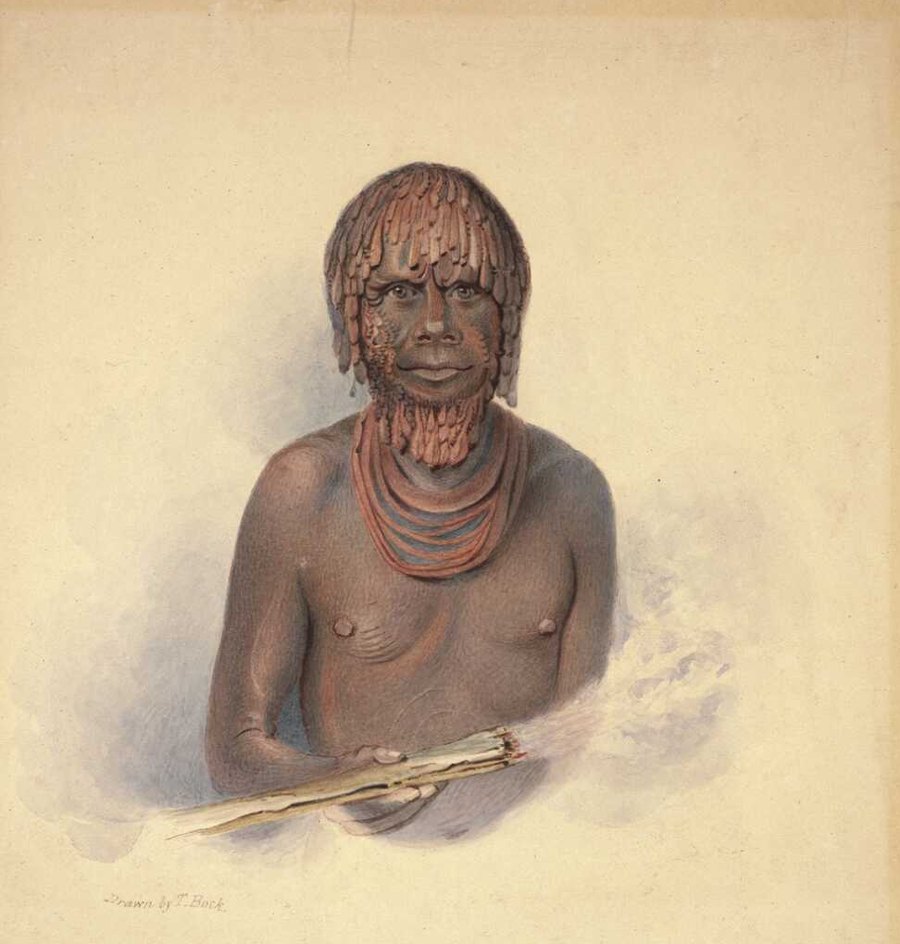
It begins in the north east of Tasmania, in the country of the Plangermaireener people, with a man called Mannalargenna. A chief. A clever man. For years he led the resistance against the men taking his country, and then he walked in with George Augustus Robinson's Friendly Mission because he was given a promise that his people would be allowed to stay on their own land.
The promise was a lie. He was taken across the water to Wybalenna on Flinders Island. It is recorded that when he understood where he was being taken, he cut off his ochred hair. He died there in December 1835, only weeks after arriving.
That is the man at the top of my family tree. Everything below him is a story about people who were told, over and over, that they were finished, and who kept going anyway.
Names, dates and places, exactly as the records have them.
My fifth great grandfather
Chief of the Plangermaireener, north east Tasmania, Cape Portland country. Resistance leader through the Black War, then guide to the Friendly Mission on a promise that was broken. Died at Wybalenna, Flinders Island. Today Mannalargenna Day is held in his honour every December at Tebrkunna Country, Cape Portland.
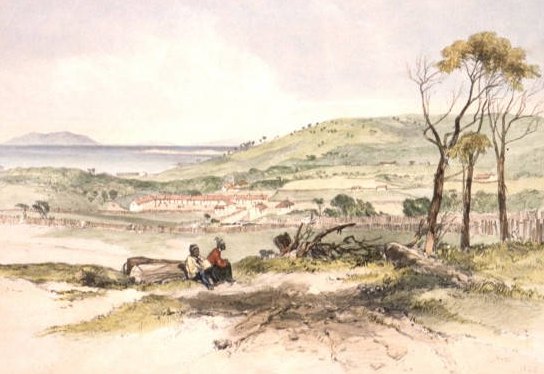
My fourth great grandmother, his daughter
Born at Big Mussel Roe, Cape Portland. Taken by a sealer named John Brown, which is where the name Mother Brown comes from, and passed between men in the Bass Strait islands the way palawa women were in those years. From about 1818 she lived with John William Smith on Tin Kettle Island, and their son carried the line on. She was taken to Wybalenna, where her father had died ten years before her, and she died there in July 1845.
Her name is carved today on the memorial at Tebrkunna Country, Cape Portland, among the ancestral grandmothers, beside her father's.
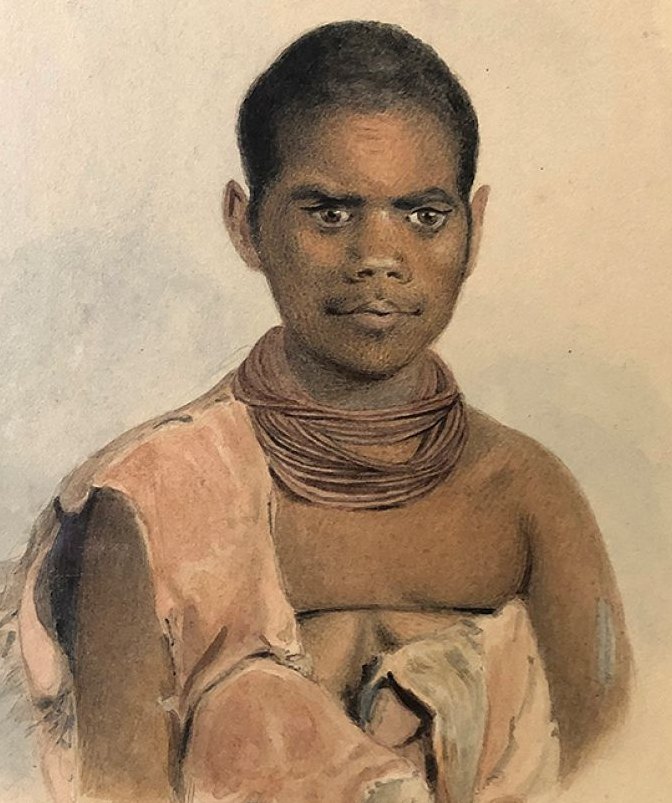
My third great grandparents
John was Nancy's son, born on Tin Kettle Island on 12 May 1821 and buried there seventy seven years later. He married Jane Maynard in Launceston on 1 September 1846.
Jane was the daughter of another palawa woman, Pollerwotteltelterrunner of Pipers River, who was stolen as a child, sold between sealers, and was dead by about thirty one. So in that one marriage the old blood came down both sides at once. Two separate lines out of the north east, joined in a church register in Launceston.
My great great grandparents
Ellen was born 18 March 1861 and married William on 25 September 1877, in the home of Mrs Margaret Mansell at Bridport. Thirteen children. William skippered boats through the islands and died on Little Dog Island in 1929. Ellen died at Trousers Point, Flinders Island, in 1936.
In 1876, the year before that wedding, the newspapers of the world announced that the Tasmanian Aboriginal people were extinct. Ellen was fifteen years old.
My great grandmother
Born in Bass Strait, one of the thirteen. On 28 August 1903, at Scottsdale, she married Alfred Ernest Briant, and that is the moment the Briant name walks into this family. She was seventeen. He was twenty eight, the son of an English soldier who had fought at Inkerman, and the grandson of a convict.
They farmed at Badger Corner on Flinders Island and raised their children there. Clara died in Launceston in 1940, aged fifty three.
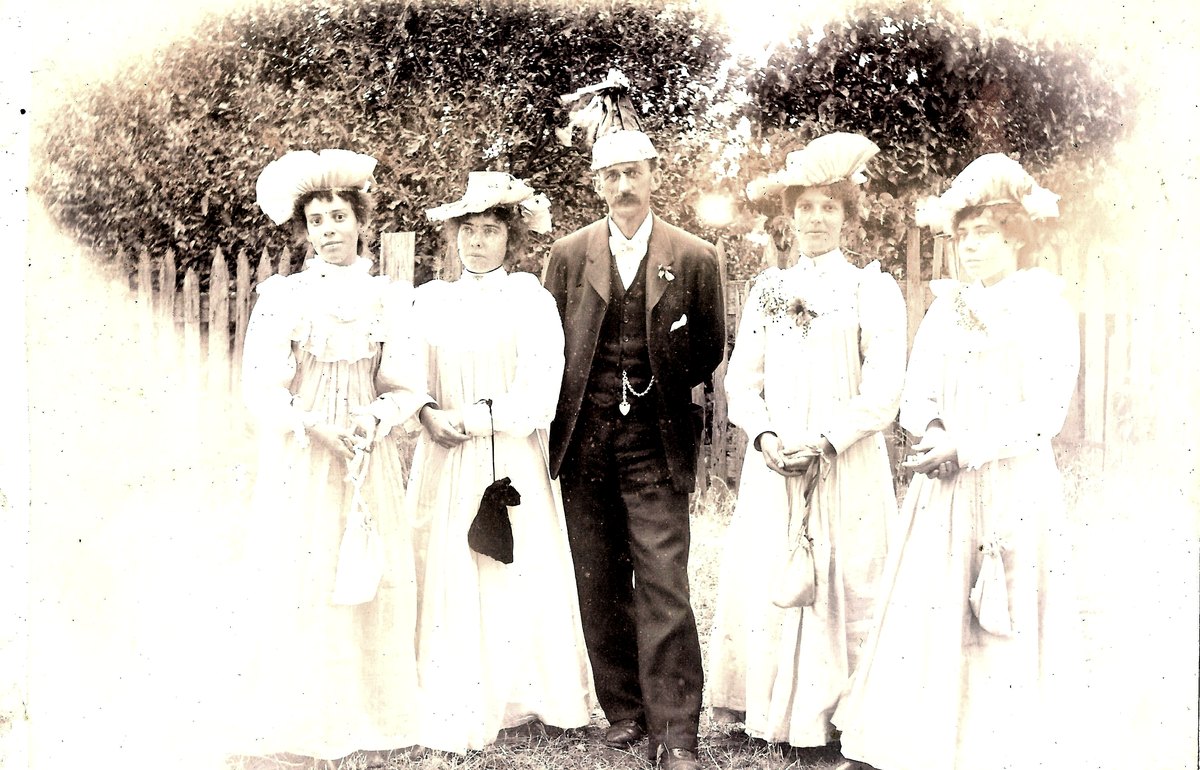
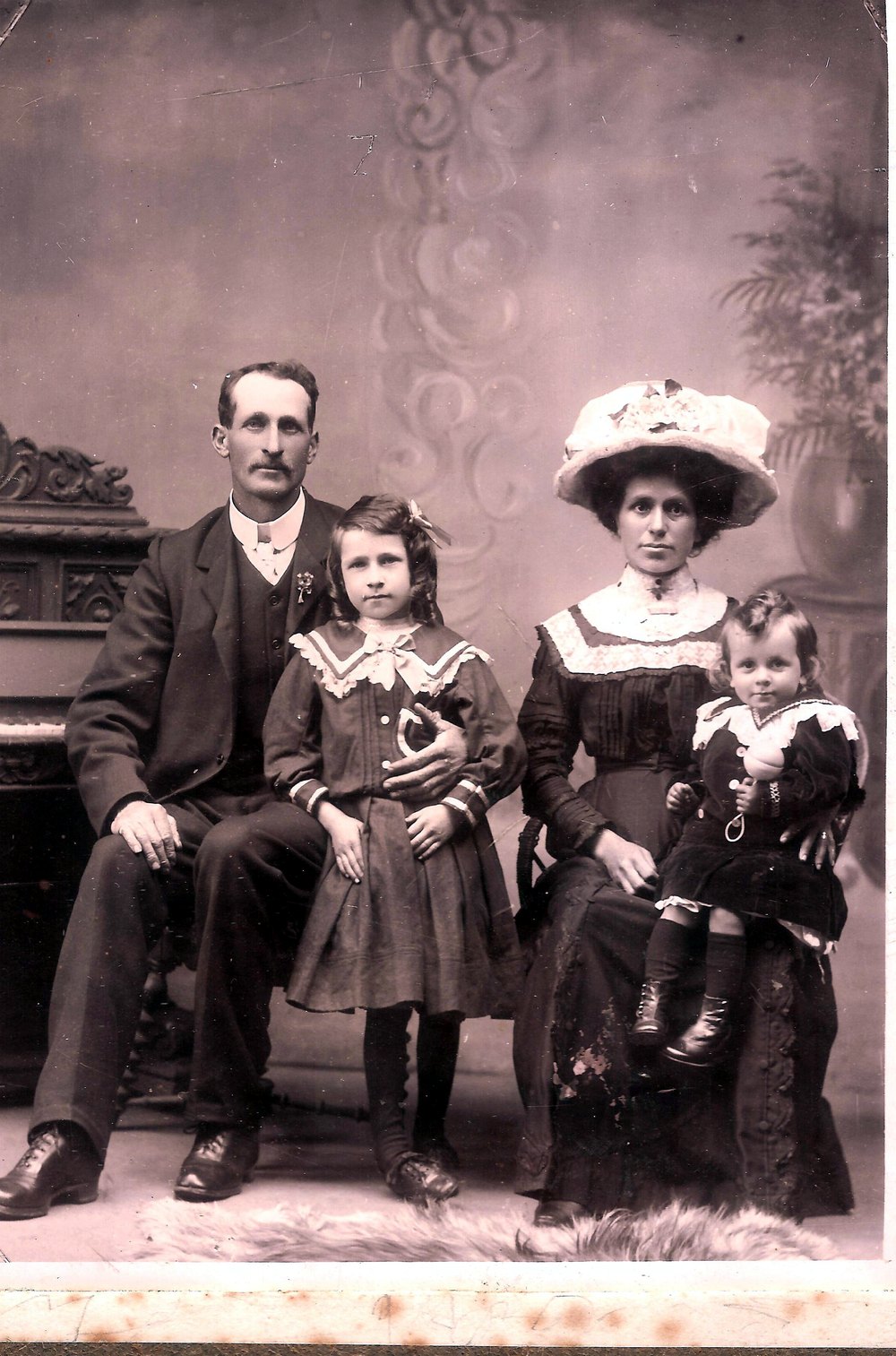
My grandfather
Born at Lady Barron, Flinders Island. He left the island, crossed to Victoria, married my Nanna Ida, and made a life on the mainland. He died at Geelong in 1997 and is buried in the Barrabool Hills.
Pop is where the story went quiet. A man of his generation, carrying what his family carried, in a country that gave him every reason not to speak about it. He is also the reason the whole chain is provable, because his birth at Lady Barron in 1913 sits in the Tasmanian records with his mother's maiden name written plainly beside it: Robinson.
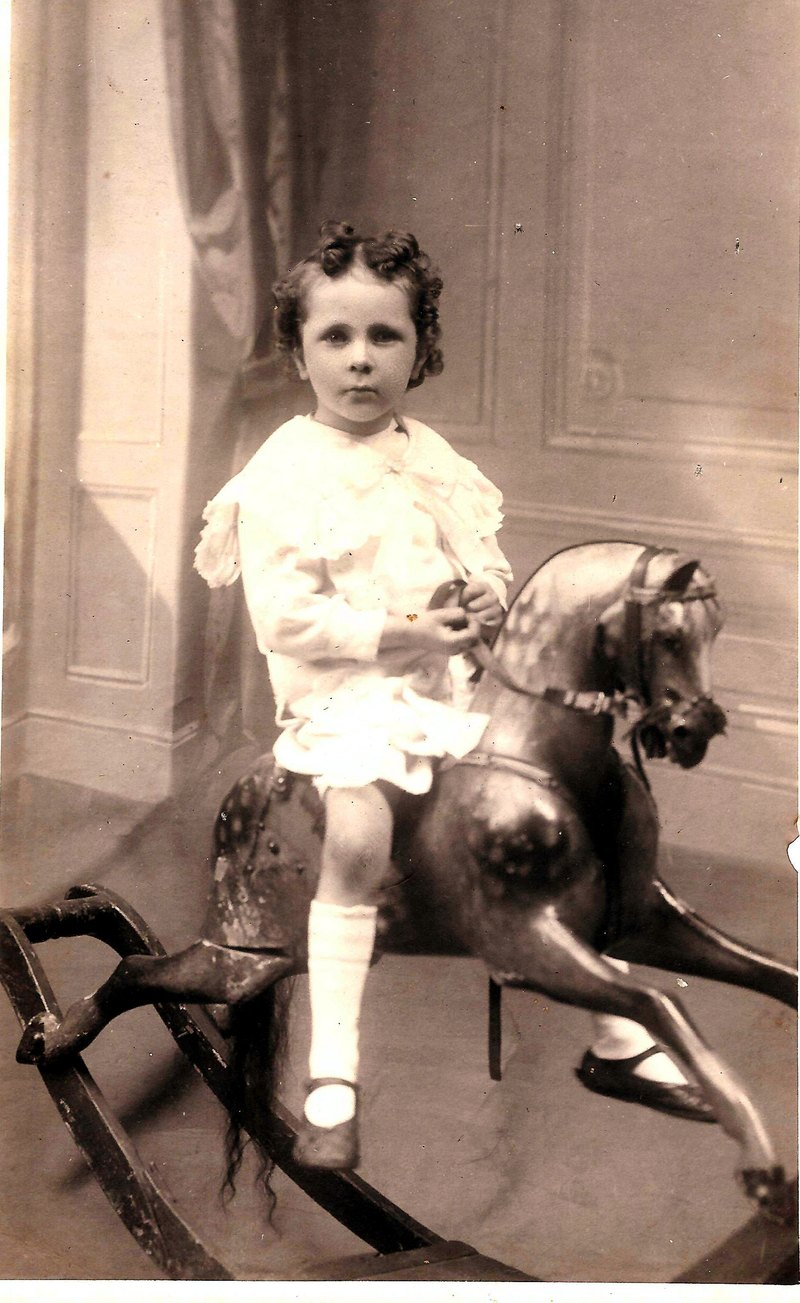
Pop's son, born in Melbourne
The generation where the island became a story instead of a home. He was given his father's name to carry, and I was given it after him.
Rodney Joseph Briant, Shepparton
I spent most of my life not saying any of this out loud. My sons, Jay and Heath, will not have to. They will grow up knowing the names, knowing the islands, knowing exactly who stands behind them. That is the whole point of doing the work.
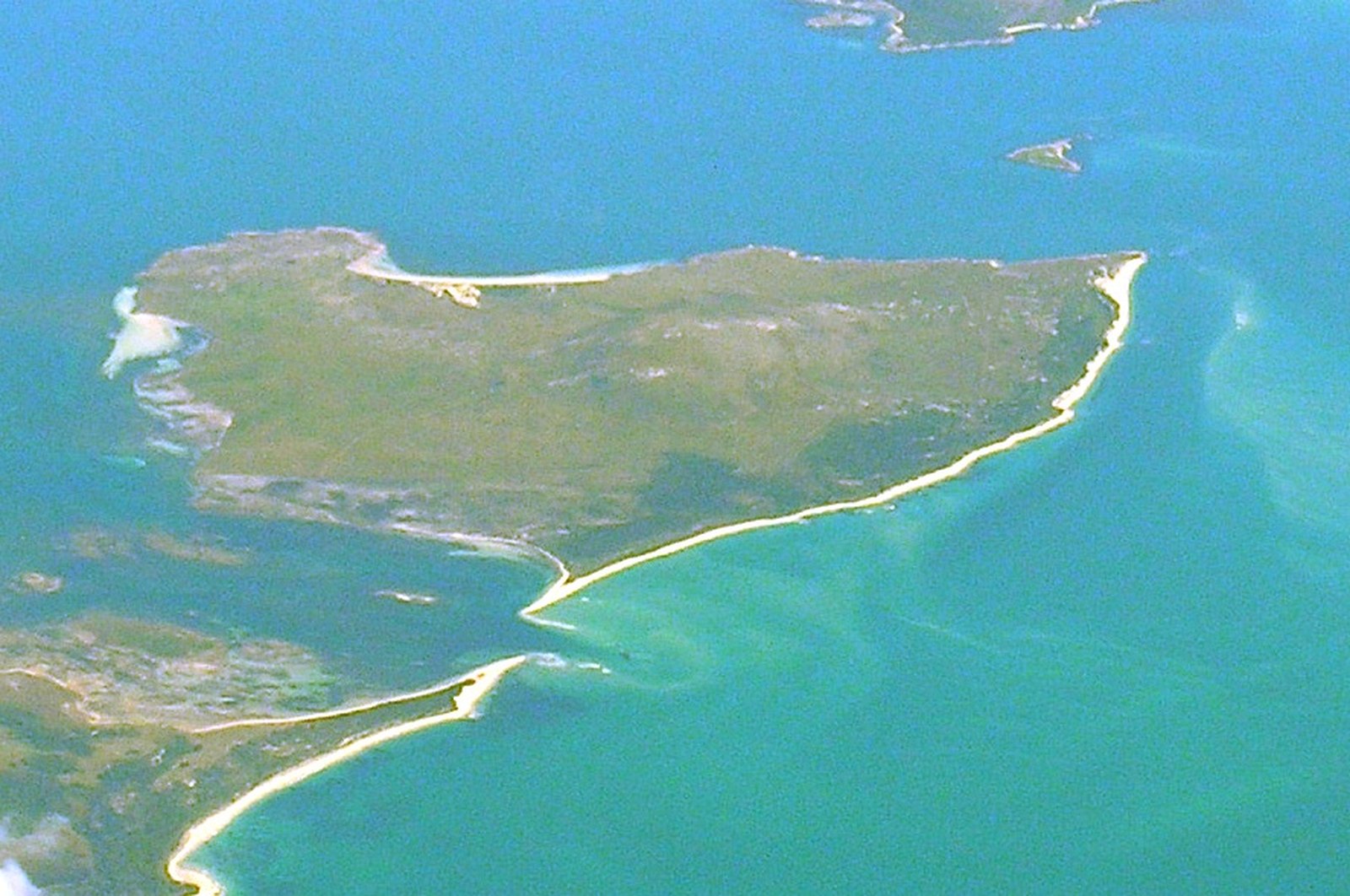
The world was told my family no longer existed. They were out on these islands, raising children.
Furneaux Group · Bass Strait
For years I thought Reflect. Overcome. Drive. was something I built out of my own hard chapters. The poverty, the abuse, the back, the streets, the searching. And it was. But it was not new.
None of them had a framework. None of them had a coach. They reflected, they overcame, and they drove forward, for two hundred and fifty years, because the alternative was to disappear. They did not disappear. I am the proof of that, and so are my boys.
That is what I am carrying now, and it changes what this work is for me. When I sit with someone who feels finished, I am not offering them a theory. I come from a family that was formally declared finished, in print, and was not. When I say a wall is rarely as solid as it looks, I have eight generations of evidence behind me.
My ancestors did the surviving. That part is done, and it cost them everything. What is left for me is the easy half of the job: say their names out loud, teach my sons who they are, keep the record honest, and use what I was given to help somebody else get up. That is the work I am continuing, and I intend to be worth the trouble they went to.
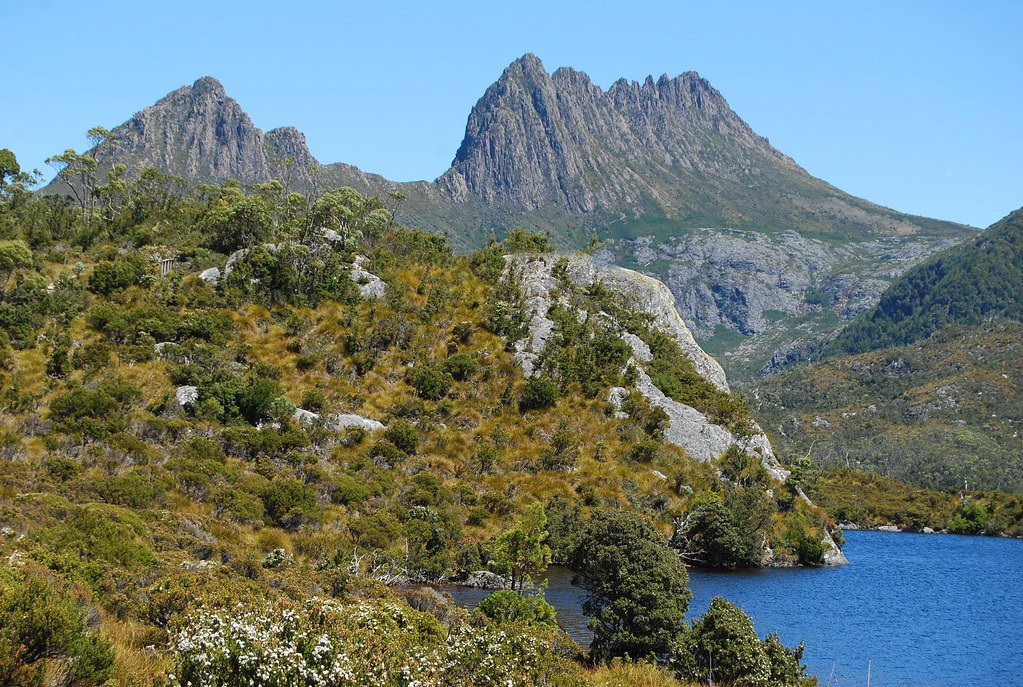
Before I had any of the names, I had the secret. What it costs to carry something like this, and what happened when I finally said it.
Read the story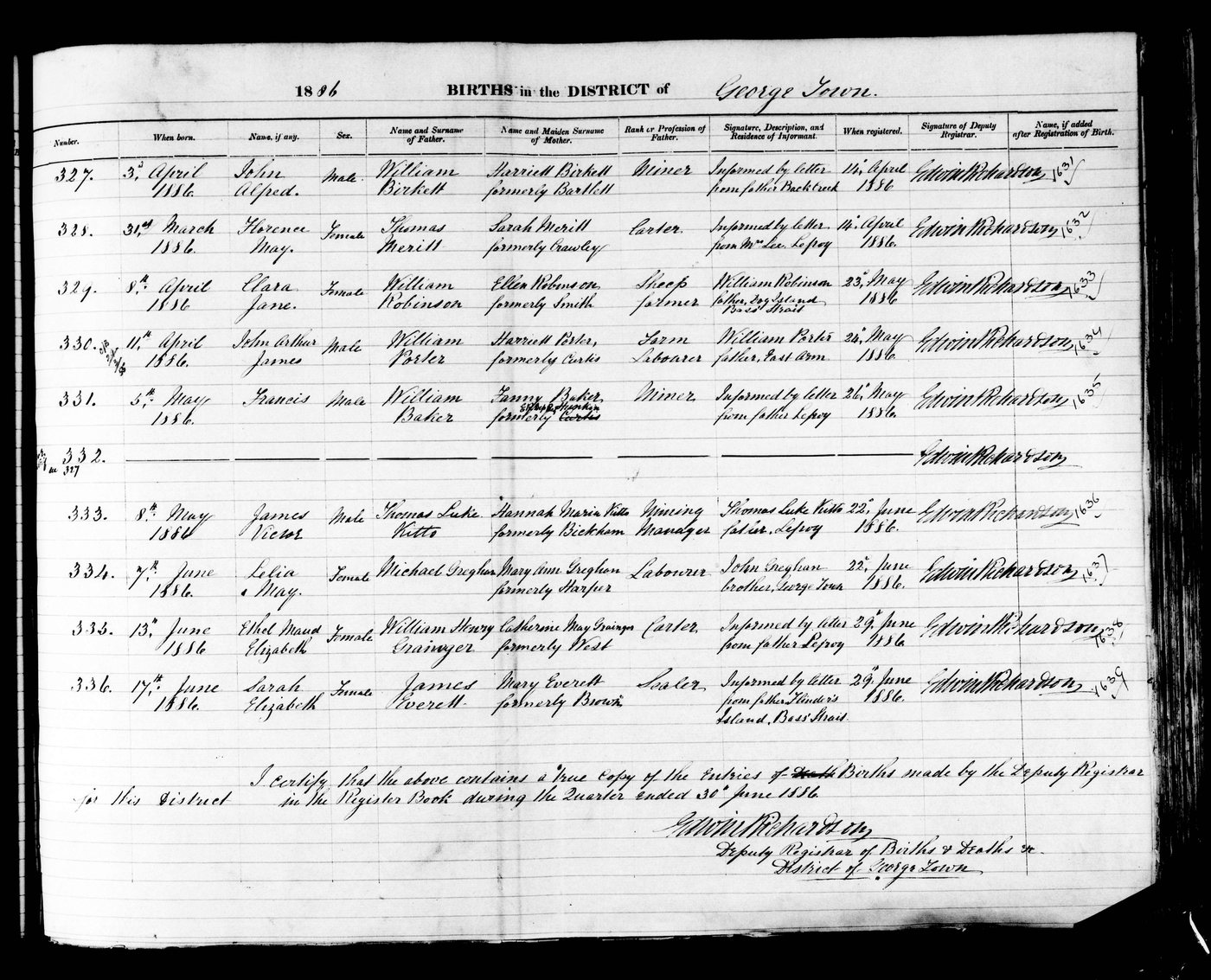
The actual register pages. My great grandmother's birth in 1886, her parents' marriage in 1877, and the marriage that joined the two palawa lines. Handwriting and all.
See the documentsYou may not know their names yet. You may not want to look. I understand that better than most. When you are ready to talk it through, the first conversation is free.
This is not family legend. Every generation above is documented in the Tasmanian registers of births, deaths and marriages, held by Libraries Tasmania and indexed in the Tasmanian Names Index, and the line was independently traced for me by an archivist at the State Library and Archives Service of Tasmania. The palawa generations appear in the published genealogies of the Tasmanian Aboriginal community, compiled from those same registers and from the journals of the Friendly Mission.
The family photographs from Flinders Island were found, restored and published by my cousin Deb on her Badger Corner and Samphire River family history blog, samphiredeb.com, and are shared here with gratitude. The portraits of Mannalargenna and of Wutapuwitja were painted from life by Thomas Bock in the 1830s. The view of Wybalenna was painted by John Skinner Prout in the 1840s. The aerial photograph of Gun Carriage Island is by Graeme Bartlett, CC BY-SA.
Any errors in the telling are mine, and I will correct them as the record grows.
 R.O.D.